The short version
- Freeride is a lasting goal, not a phase you must outgrow.
- Control and repeatable turns provide useful progression.
- Manufacturer board categories are descriptions, not independent test results.
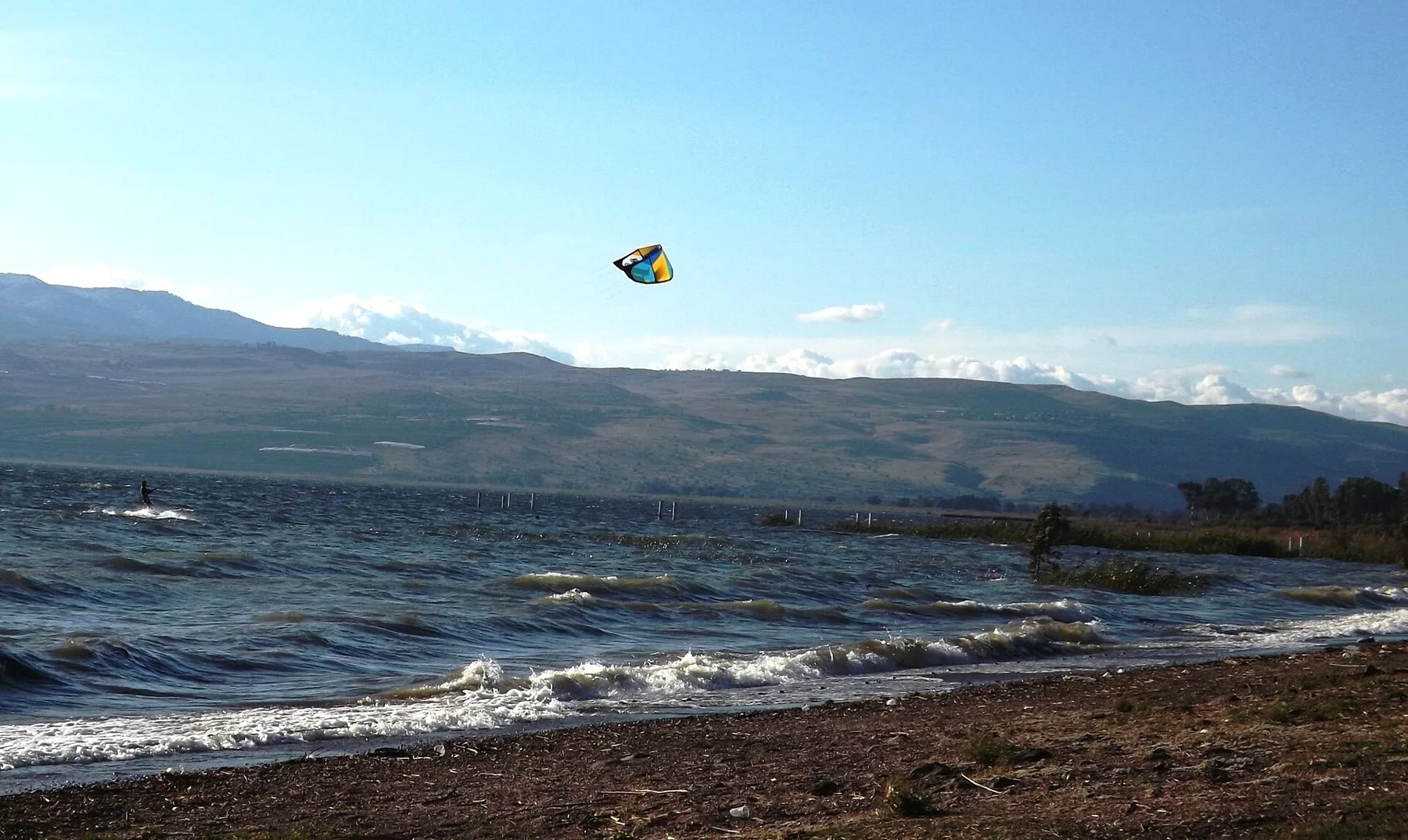
Twintip freeride is the everyday pleasure of riding with a kite: controlling speed, travelling where you intend, turning and returning with enough margin to enjoy the session. It can include jumps and playful experiments, but it does not need a trick list to be worthwhile.
A rider who wants comfortable, controlled sessions has a legitimate equipment and progression goal. There is no obligation to become a freestyle rider because you have learned to stay upwind.
What the twintip changes
A twintip is designed to be ridden in both directions without changing to a completely different board orientation. That makes it a familiar choice for general kiteboarding. Directional boards and hydrofoils offer other experiences, with different handling and environmental demands.
Within twintips, design still matters. Outline, flex, rocker, construction and fittings affect the intended feel. Ozone’s Code-versus-Torque guidance attributes differences to features including flex and tip width. Those are the manufacturer’s model descriptions, not proof of a universal result for every rider in chop.
North’s twintip overview likewise separates intended uses. Use such material to understand what a model is meant to do, then assess fit and feel through appropriate advice or a demo.
Progress that improves the whole session
The IKO independent syllabus separates speed control, upwind riding, sliding turns and toeside work. That is a useful reminder that freeride progression has plenty of substance before or without bigger aerial goals.
Choose a specific objective that suits your current level. It may be more controlled speed, more consistent returns, smoother direction changes or less unnecessary effort. Ask a coach to observe the issue rather than diagnosing every difficulty as the wrong board.
Progression’s direction-change overview treats basic turns separately from aerial transitions. A clean surface turn can improve every reach. It deserves attention even when a more dramatic move looks tempting.
Match the session to the conditions
| Conditions or setting | What to assess |
|---|---|
| Chop | Control, fatigue and whether the equipment suits the rider |
| Gusts | Appropriate conditions and kite handling, not only board choice |
| Current | Ground made relative to shore and the exit plan |
| Crowding | Enough space to turn and ride predictably |
| An unfamiliar launch | Access, bottom, exits and the locally available support |
Equipment can change feel, but it cannot remove the need to choose appropriate conditions. A board described as forgiving does not make an unsuitable wind angle or crowded launch manageable.
Plan a session length that leaves room to return before exhaustion. Riding until control deteriorates makes a simple session harder than it needs to be.
Buying for the rider you are
Start with your present board, fit and recurring problem. Is discomfort caused by footstrap adjustment, inappropriate conditions, technique or a genuinely mismatched board? A useful demo compares one meaningful change at a time.
Record the model, size, fittings, conditions and what you actually felt. “Better” becomes useful when it means less harshness, easier control or a turn you could repeat in comparable conditions. Avoid judging a new board only because the wind happened to improve.
Do not buy a specialised setup simply because a professional rides it. Bindings, stiffness and high-performance design choices may serve objectives different from your own. Price and carbon content do not establish personal comfort or suitability.
A focused freeride session
Begin with the local briefing and an honest check of conditions and readiness. Choose one small goal and an area where the intended practice fits the other users. Keep ordinary control and recovery within your ability; get coaching when the task adds demands you have not learned.
Afterwards, note what changed and what remained inconsistent. That gives a future coach or equipment adviser something concrete to work with. It is more useful than collecting a long list of moves you feel you should already do.
If you later want waves, foiling or freestyle, choose a specific transition pathway. Enjoying freeride does not prevent that. It simply means the sessions you are already having do not need an excuse.
Something changed?
Conditions, access and prices change. If something needs updating or correcting, tell us. Get in touch ↗