The short version
- Formula Kite is a defined racing class, not all recreational foiling.
- Approved production equipment does not mean every athlete uses one identical setup.
- Formats and equipment limits have event-specific versions.
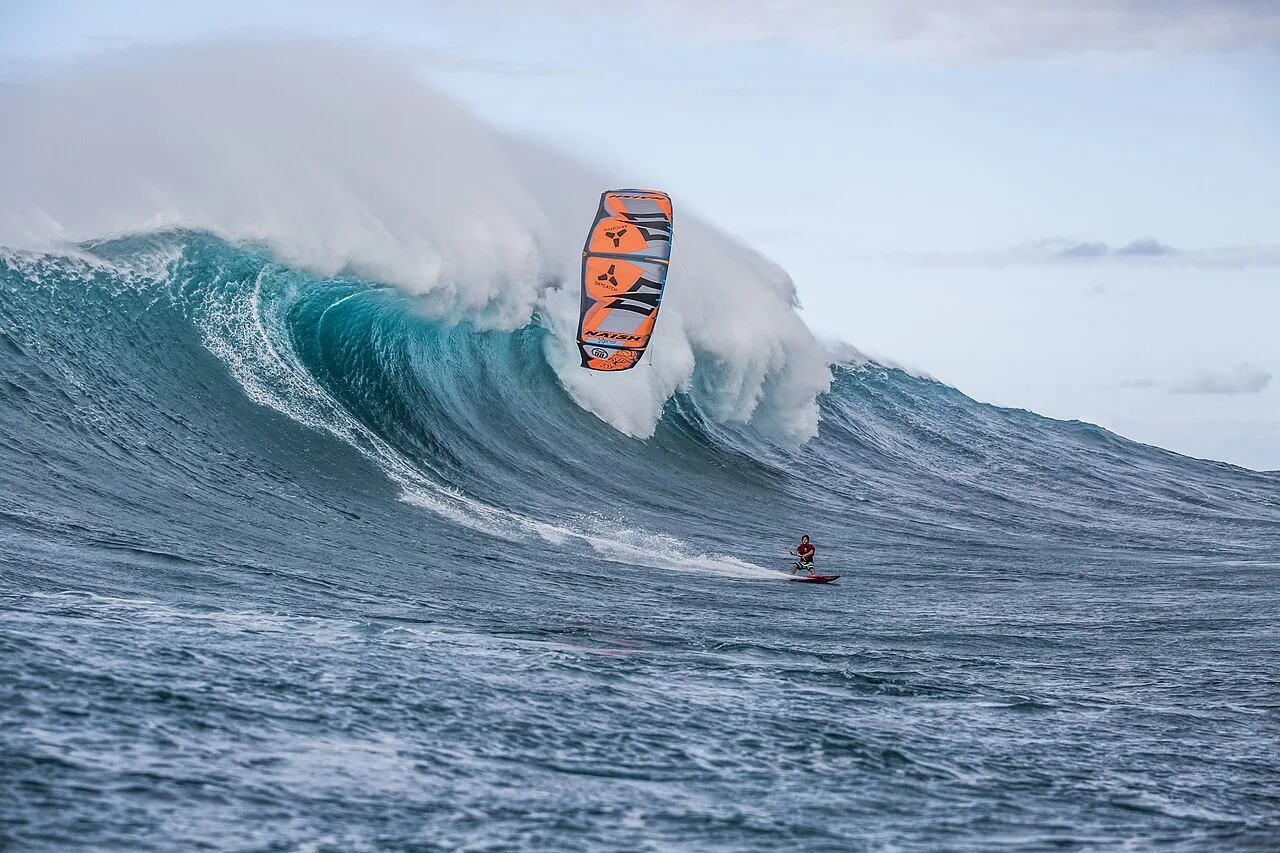
Formula Kite is a hydrofoiling racing class in which athletes use a kite, board and hydrofoil to compete around a course. The objective is racing performance under the applicable rules, not a panel’s score for an aerial trick.
World Sailing identifies the class and equipment context. The sport’s speed can be striking, but a race becomes more interesting once you can follow the start, the legs and the position relative to other athletes.
The equipment is regulated, not one-design
Formula Kite uses approved production-equipment choices. That differs from a system where every athlete must use one identical package. It also differs from unrestricted recreational kitefoiling, where a setup may be enjoyable without qualifying for a class event.
Use the World Sailing class page and IKA for the governing-document route. An equipment list establishes eligibility within its scope. It is not a recommendation that a beginner buy race equipment or combine unrelated components.
Technical rules can change. IKA’s three-kite-quiver update describes scope and implementation through event documents. Do not turn a specific update into an undated rule for every fleet and event.
What happens in a race
A fleet prepares for a start, follows the prescribed course and finishes under the event’s racing rules. Different legs create different decisions about direction, positioning and manoeuvres. Mark roundings and interactions with other competitors can affect the outcome as much as straight-line speed.
The course belongs to the event and conditions. An illustrative diagram in a general guide should never be mistaken for the course of a future regatta. Use the actual Sailing Instructions and course information to follow a specific edition.
For a new viewer, watch one start and keep the tracker or course graphic visible if provided. Then look at how positions change by the next mark and at the finish. It makes the tactical story easier to see than watching an isolated close-up.
How the documents fit together
| Document or record | What it tells you |
|---|---|
| Class rules | Equipment and class requirements within their version and scope |
| Notice of Race | The event’s announced framework and entry conditions |
| Sailing Instructions | How the racing will be conducted for that event |
| Amendments and notices | Changes or official decisions that may supersede earlier material |
| Final results | The recorded outcome, with the relevant fleet and category |
| Event report | Narrative and context around the competition |
The 2026 Worlds noticeboard includes revised instructions, medal-series documents and final results. It is a concrete example of why reading the first downloaded version may not explain the final outcome.
An entry list proves someone entered; it does not prove their placing. A current news report may explain drama but should not replace the official final record for a precise result.
Qualification and finals need an edition label
Events can include fleets, qualification and a later decisive stage. The exact scoring, advancement, discards and final structure belong to the applicable documents. Do not assume that the athlete with the most earlier race wins must win every final.
FFVoile’s 2026 Hyères report gives an edition-specific example of a final and its winners. It is useful when clearly labelled Hyères 2026. It does not establish a permanent universal Formula Kite format.
The same care applies to Olympic history. Paris 2024 is a dated event with its own documents, not a rulebook automatically governing later championships.
Watching, tracking and results are different tools
A broadcast shows action and commentary. A tracker helps follow positions or course movement. A noticeboard carries administration and decisions. Final results establish the recorded outcome. One can remain available when another is offline.
Use the organiser’s event hub and check the time zone and weather call. Racing may be postponed or amended. A calendar window is not a promise of continuous video.
Getting into racing
Start through a local club, federation or suitably experienced coach. Ask about accessible training and events, prerequisites, rescue arrangements and eligible equipment for the actual class. Recreational foiling experience can be relevant without covering starts, fleet interaction or race rules.
If you simply want to try foiling, begin with the recreational kitefoil guide. Racing is one compelling branch. It is not the admission requirement for enjoying a hydrofoil.
Something changed?
Conditions, access and prices change. If something needs updating or correcting, tell us. Get in touch ↗